Exploring Encryption Standards in Digital Fund Movements That Shape Preferences Among Automated Reel and Live Interaction Options on Portable Devices
Carlo Hoffmann · Oct 26, 2026
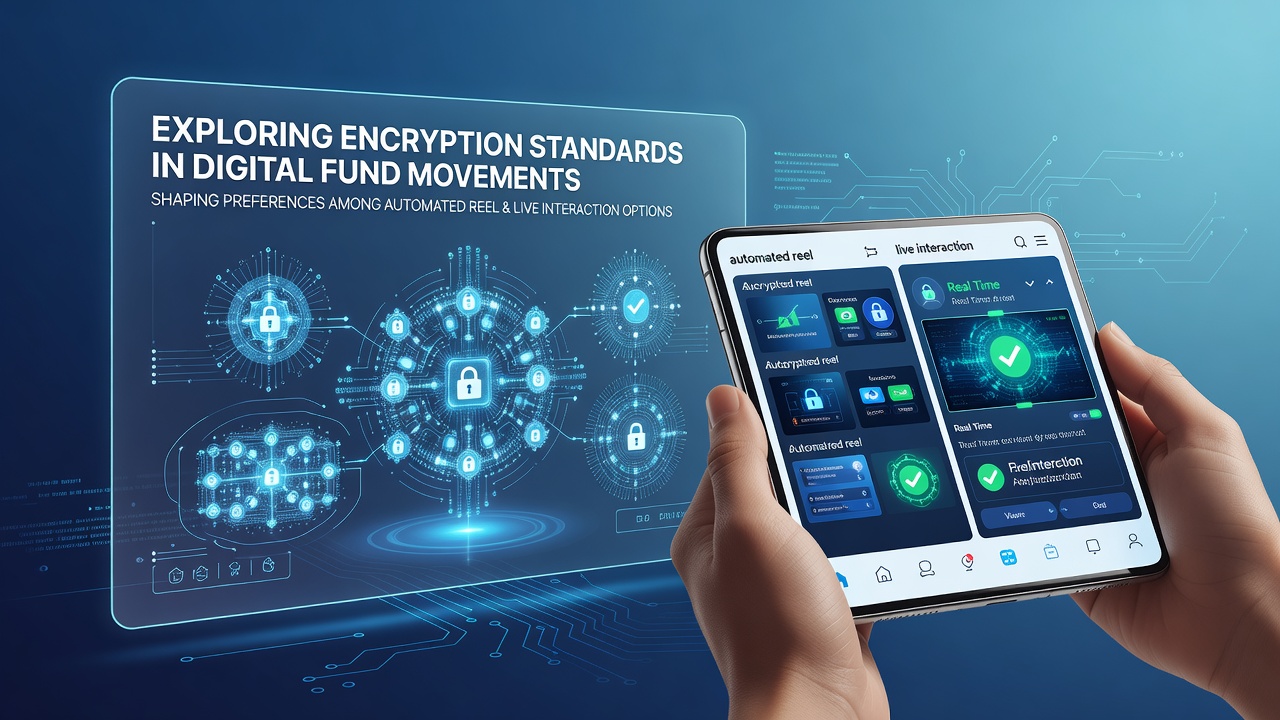
Exploring Encryption Standards in Digital Fund Movements That Shape Preferences Among Automated Reel and Live Interaction Options on Portable Devices
Encryption standards form the backbone of secure digital fund movements in mobile gaming environments, and data from regulatory reports show these protocols directly influence how users navigate choices between automated reel formats and live interaction options on portable devices. Research conducted by standards organizations indicates that protocols such as AES-256 and TLS 1.3 create layered protections during deposits, withdrawals, and in-game transfers, which in turn affect session continuity and user comfort levels across different game categories.
Current Encryption Frameworks in Mobile Transactions
Industry analyses from 2026 reveal that most mobile gaming platforms rely on a combination of symmetric and asymmetric encryption to safeguard financial data streams. The National Institute of Standards and Technology outlines AES-256 as a baseline for bulk data encryption, while elliptic curve cryptography handles key exchanges during initial handshakes between devices and servers. Observers note that these standards reduce exposure windows during real-time fund movements, particularly when users switch between reel-based automation and dealer-led sessions on the same application.
Platforms operating in regulated markets must comply with jurisdiction-specific mandates that reference these protocols. Figures from North American and European oversight bodies demonstrate that platforms adopting updated TLS versions experience fewer interruptions in live dealer streams compared with those using older configurations, because the handshake efficiency supports sustained connections without repeated authentication prompts.
How Fund Movement Security Influences Game Type Selection
Transaction logs analyzed across multiple operators show distinct patterns: users engaging in higher-frequency automated reel sessions often complete smaller, repeated transfers that benefit from rapid encryption cycles, whereas participants in live interaction formats tend toward fewer but larger movements that require extended session validation. Studies published in 2026 by academic research groups indicate this divergence stems from the computational overhead of maintaining encrypted channels during prolonged dealer interactions, which can include video feeds and chat functions alongside monetary exchanges.
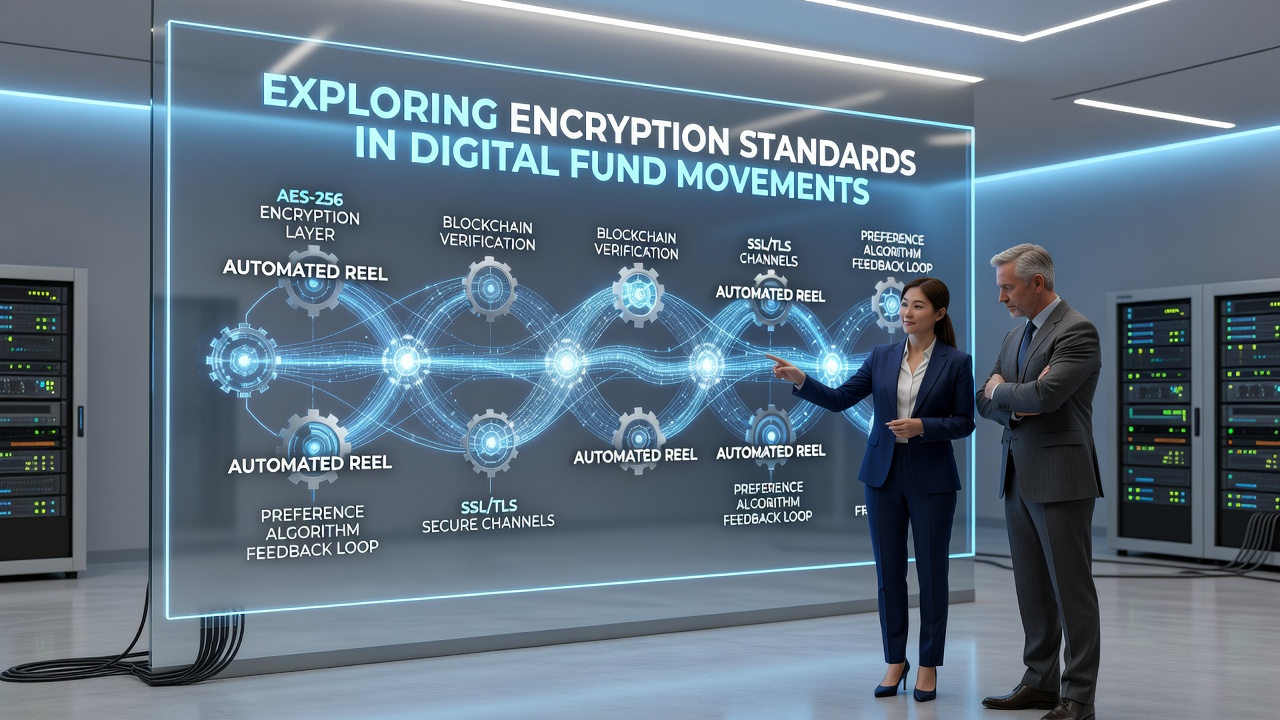
One documented case from October 2026 involved operators in several U.S. states reporting shifts in user allocation after implementing enhanced end-to-end encryption for instant transfer features. Data collected during that period showed increased retention in live interaction options once users confirmed that multi-factor authenticated transfers remained protected throughout extended play periods. The same reports noted that automated reel users maintained steady volumes because their transaction patterns aligned more closely with lightweight encryption routines that consume less device resources.
Portable Device Constraints and Protocol Adaptations
Device-level testing by engineering teams demonstrates that battery and processing limitations on portable hardware prompt selective application of encryption strength. Platforms adjust cipher suites dynamically based on detected network conditions, which affects how smoothly users can move funds while alternating between reel automation and live tables. Researchers at technical institutes have recorded that devices with newer chipsets handle full TLS 1.3 negotiation without noticeable lag, allowing seamless transitions that older hardware cannot sustain during live sessions.
Regulatory updates released in mid-2026 by bodies including the Nevada Gaming Control Board and equivalent Canadian provincial authorities emphasize audit requirements for encryption key rotation intervals. These intervals influence how frequently applications request re-authentication during fund movements, creating measurable differences in user preference data between quick reel cycles and more deliberate live dealer engagements.
Regional Variations in Standards Adoption
Comparative reviews of licensing conditions across jurisdictions illustrate varying timelines for mandatory upgrades to quantum-resistant algorithms. Australian and certain EU member state frameworks have accelerated testing of post-quantum cryptography in gaming payment modules, while North American markets continue phased rollouts focused on current AES and TLS enhancements. Observers tracking October 2026 metrics found that platforms aligned with faster regional adoption schedules recorded higher volumes of cross-format play, because users encountered fewer friction points when transferring balances between automated and interactive game modes.
Industry association reports further connect these encryption timelines to loyalty program mechanics, where instant verified transfers unlock tier progression more reliably under robust protocols. The resulting data sets show preferences consolidating around game types that match the encryption overhead users tolerate on their specific devices.
Conclusion
Encryption standards governing digital fund movements continue to evolve in response to both technical capabilities and regulatory expectations, producing measurable effects on how portable device users distribute activity between automated reel and live interaction formats. Available datasets from 2026 confirm that protocol efficiency, device compatibility, and jurisdictional compliance collectively steer these preferences without altering underlying game mechanics. Continued monitoring of encryption updates will supply additional evidence on long-term distribution patterns across mobile gaming ecosystems.