Unraveling Connections Between Cryptocurrency Options and Tiered Reward Pathways in Handheld Live Dealer Formats
Riley Hughes · Sep 14, 2026
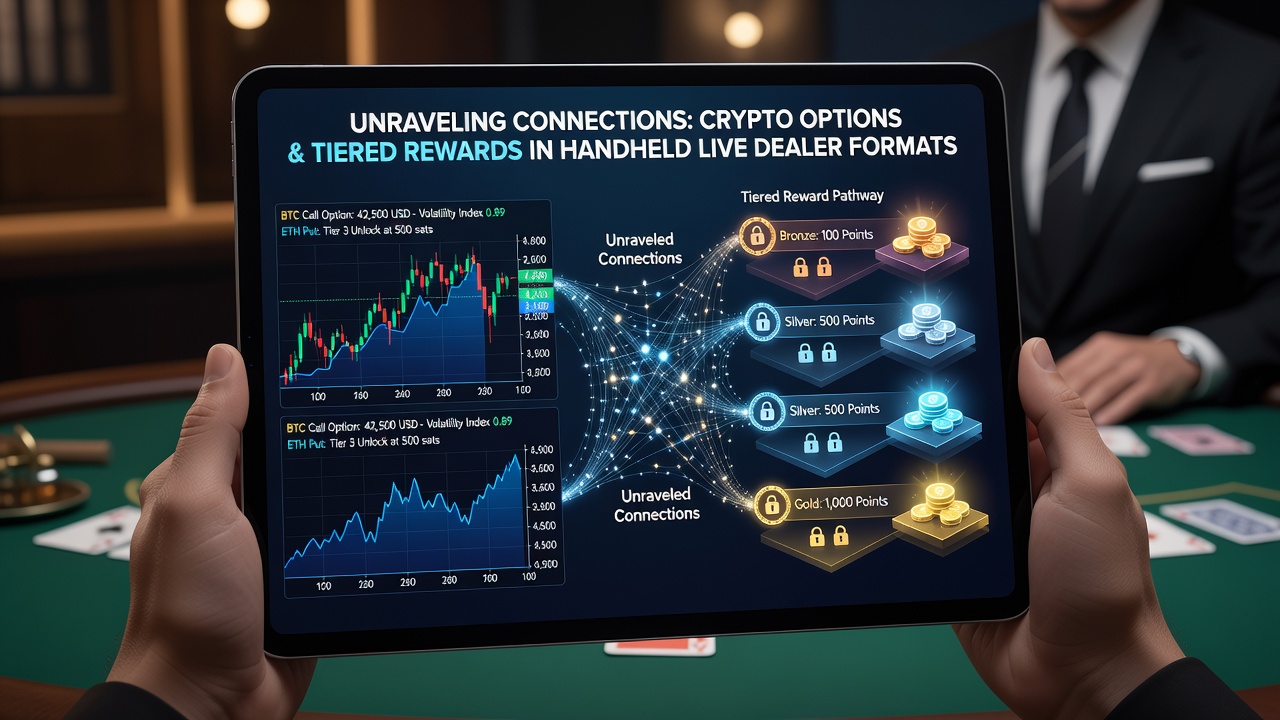
Unraveling Connections Between Cryptocurrency Options and Tiered Reward Pathways in Handheld Live Dealer Formats
Handheld live dealer formats have expanded rapidly since 2024, with operators integrating cryptocurrency options into mobile platforms that also feature tiered reward pathways. Data from the European Gaming and Betting Association shows transaction volumes involving digital assets rose 34 percent year-over-year through the first half of 2026, while live dealer sessions on smartphones accounted for 41 percent of total table activity in regulated markets. These systems connect payment speed directly to progression mechanics, where instant settlements influence how quickly participants advance through loyalty levels.
Cryptocurrency Processing Mechanics in Mobile Environments
Live dealer applications process cryptocurrency deposits through wallet integrations that bypass traditional banking delays, settling bets in seconds rather than hours. Platforms route these transactions via secure nodes that verify blocks in real time, allowing players to move from deposit to table action without intermediate holds. Research from the University of Nevada, Reno gaming laboratory indicates that such immediacy correlates with higher session frequency, as users complete more hands per hour when funding occurs through stablecoins or major tokens. September 2026 brought updated compliance frameworks in several Canadian provinces that required operators to log cryptocurrency flows separately from fiat, creating clearer audit trails for reward calculations.
Tiered Reward Structures and Their Core Components
Tiered systems typically divide participants into bronze, silver, gold, and platinum categories based on cumulative activity metrics such as hands played, total wager volume, and retention streaks. Each level unlocks incremental benefits including cashback percentages, priority seating at virtual tables, and exclusive tournament access. Observers note that progression formulas weight recent activity more heavily than historical totals, which means payment method choice can accelerate or slow advancement depending on settlement reliability. Figures released by the Canadian Gaming Association reveal that participants using cryptocurrency options reached silver tier 22 percent faster on average than those relying on card-based methods during the 2025-2026 fiscal period.
Direct Linkages Between Payment Choice and Loyalty Advancement
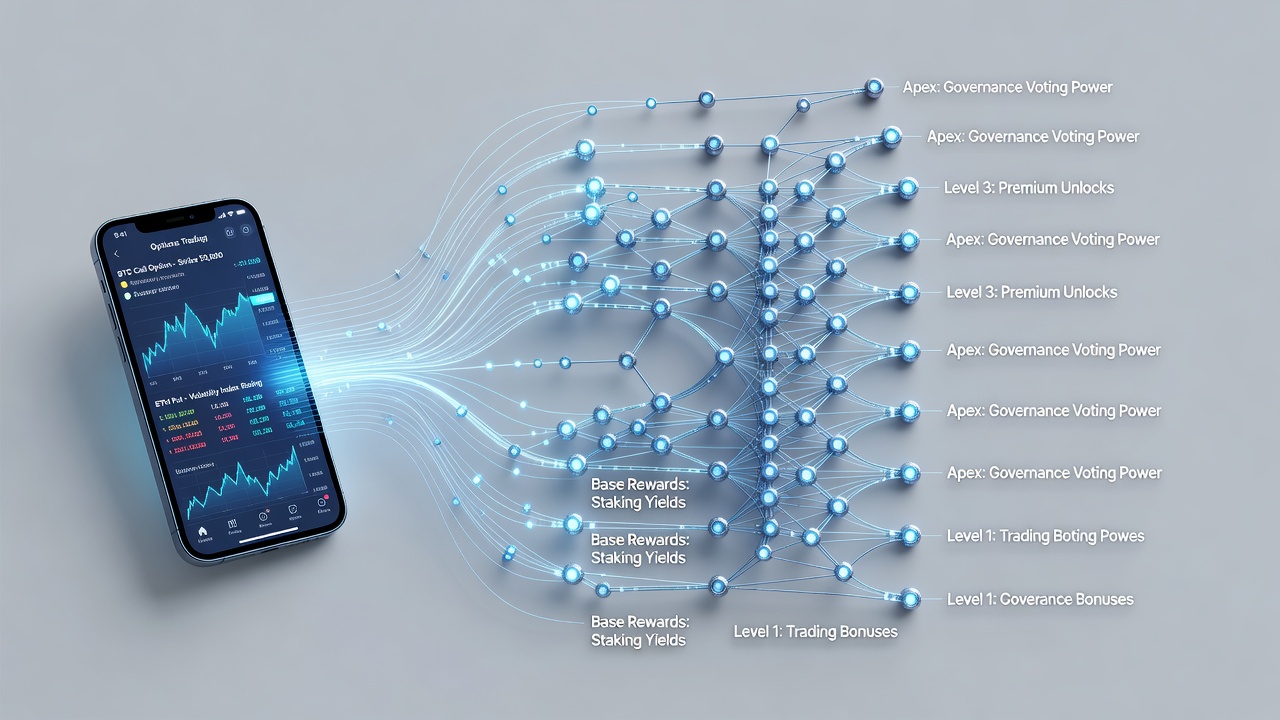
Operators embed algorithms that assign bonus multipliers when cryptocurrency transactions meet specific velocity thresholds, effectively tying faster funding to quicker point accrual. One documented case involved a European-facing platform that awarded double loyalty points for deposits completed in under 90 seconds, a threshold easily met by blockchain confirmations but rarely achieved through conventional processors. Those who studied the pattern found that users who switched to crypto mid-tier often completed the remaining requirements for gold status within the same calendar month, whereas mixed-method users experienced staggered progress. Data indicates these mechanics appear most pronounced in blackjack and roulette variants where decision speed directly influences hand volume.
Regulatory Developments Shaping September 2026 Integration
September 2026 marked the implementation of new transaction reporting standards across multiple Australian states, requiring mobile operators to disclose how cryptocurrency inflows affect bonus eligibility calculations. These rules prompted several platforms to publish updated terms that explicitly state point-earning rates for different asset classes. Industry reports compiled by the Asia-Pacific Gaming Council show that 67 percent of handheld live dealer providers adjusted their reward algorithms during this window to maintain compliance while preserving user progression incentives. The changes clarified that stablecoin transactions receive identical weighting to traditional deposits, removing prior ambiguity that had slowed tier movement for some participants.
Security Protocols Supporting Cross-System Functionality
Secure multi-signature wallets and on-device biometric verification now underpin most cryptocurrency-enabled live dealer applications, reducing fraud vectors that previously disrupted reward tracking. These protocols maintain continuous session logs that feed directly into tier calculation engines, ensuring every verified transaction contributes to progression without manual reconciliation. Experts at research institutions have documented fewer reward disputes on platforms employing end-to-end encryption for both payment and loyalty data streams. The result appears in sustained user retention across platinum tiers, where seamless crypto functionality supports uninterrupted play patterns.
Conclusion
Connections between cryptocurrency options and tiered reward pathways in handheld live dealer formats continue to evolve through technical integration and regulatory refinement. Transaction speed, compliance logging, and algorithmic weighting together determine how quickly participants advance through loyalty structures. September 2026 updates across multiple jurisdictions formalized several of these linkages, establishing clearer parameters for operators and users alike. Ongoing data collection from industry bodies and academic sources will likely reveal further patterns as adoption widens.